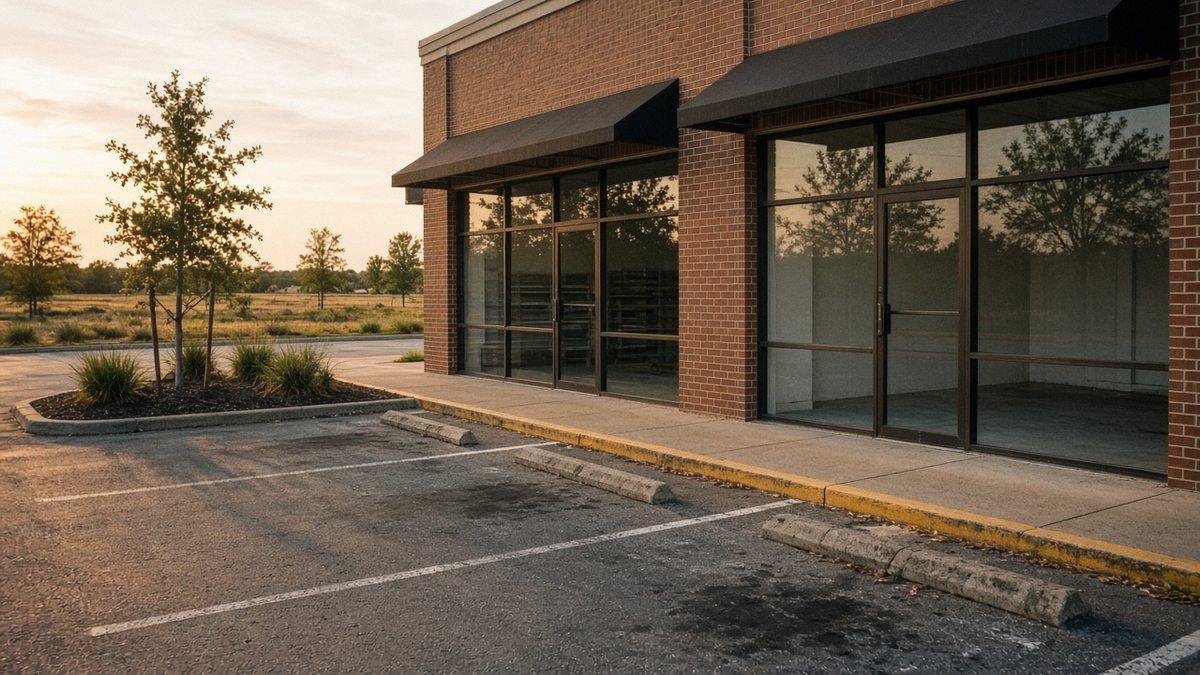
Buying a retail building in Fairfield? Our step by step guide covers rent rolls, leases, co-tenancy, parking, signs, US 290 access, deed restrictions, and closing.
Fairfield is a master planned community in the Cypress area of northwest Houston, stretched along US 290. Most people know it for its neighborhoods, but the commercial side matters too: neighborhood strip centers, freestanding pad buildings, and small retail buildings that serve the families who live nearby and the drivers who pass by on the highway. Buying one of those buildings is its own job. You are buying the tenants, the leases, the parking lot, and the sign as much as the walls.
This guide walks through the order we follow when we help a buyer purchase a retail building around Fairfield. It covers commercial retail property only.
Decide what kind of retail building you are buying
Start by naming the building type, because each one raises different questions.
- Multi tenant strip center. Several shops share one building, one parking lot, and usually one road sign. Income comes from many leases, so one vacancy hurts less, but there is more to manage.
- Freestanding building. One building, often on a pad near the road, with a single tenant. It is simpler to run, but your income may ride on one lease.
- A building you will partly occupy. If your own store will fill some of the space, decide how much you need now and how much you want to rent to others.
Our look at inline space versus pad sites lays out the tradeoffs between the first two shapes in more detail.
Read the rent roll and every lease
In a leased retail building, the leases are much of the value. Ask the seller for a current rent roll and a full copy of every lease, with every amendment, renewal, and side letter. Then read them with your attorney.
- Term and options. When does each lease end, and does the tenant hold renewal options at a set rent?
- Who pays what. Many retail leases pass some property taxes, insurance, and common area costs through to tenants. Check what each lease actually says, and ask for recent common area reconciliations.
- Exclusives and use limits. A lease may promise one tenant that no other shop in the center will sell the same thing. That can narrow who you lease to later.
- Co-tenancy clauses. Some leases let a tenant pay less rent or leave if a key neighbor closes or the center drops below a set occupancy. Find these before you close, not after.
- Rights that survive a sale. Look for any right of first refusal or purchase option a tenant may hold.
Before closing, buyers usually ask each tenant to sign an estoppel certificate confirming the rent, the deposit, and that no defaults are pending. If a tenant tells a different story than the lease file, you want to hear it now.
Check traffic and access along US 290
Retail lives on how easily customers get in and out. Drive to the property from both directions at the hours your tenants count on: the morning commute, lunch, and the evening drive home. Watch how cars reach the driveway from the US 290 frontage road, whether a left turn in is easy or a long loop around, and whether drivers can see the building before they pass it.
The frontage roads along US 290 are state roads, so new or changed driveways there generally go through TxDOT, while county roads go through Harris County. If your plans depend on a new curb cut or a wider driveway, ask early. Approval is not automatic.
Count the parking and read the shared agreements
Parking trouble is one of the fastest ways to lose a retail tenant. Count the spaces, notice where they sit compared with each storefront, and picture the busiest hour of the busiest tenant. Restaurants and fitness uses tend to need more parking than a dry cleaner drop off or a phone repair shop.
Many retail buildings share drives, parking, or detention with neighbors under a recorded reciprocal easement agreement or a similar declaration. Those documents can control who maintains the lot, who pays for it, which uses are allowed, and what you can build later. Your title company can pull them, and your attorney should read every page.
Confirm sign rights before you count on them
A tenant facing the highway wants to be seen. Find out who controls the monument or pylon sign, how many panels it holds, and which leases promise a tenant a panel. Then check what the deed restrictions, the community design rules, and the county allow for new or changed signs. Our Spring retail sign permit review shows how that review tends to work in unincorporated northwest Harris County.
Sort out jurisdiction, restrictions, and utilities
Much of the Fairfield area sits outside city limits in unincorporated Harris County, but confirm that for your tract. Unincorporated Harris County generally has no zoning map, so recorded deed restrictions and community association covenants do much of the work zoning would. They can limit uses, building looks, landscaping, and signs. Ask the title company for every recorded restriction on the property.
Changes to the building still need review. Harris County handles many commercial building and site permits in unincorporated areas, and the county fire marshal generally reviews fire code items for commercial buildings. Water and sewer in master planned communities like Fairfield often come from a municipal utility district. Ask which district serves the property and whether it has capacity for a heavier use, such as a restaurant. Our guide to MUD capacity for Cypress retail covers what to ask.
Inspect the building and the lot
Bring in a qualified commercial inspector, and walk the roof, the rooftop HVAC units over each suite, the storefront glass, and the parking lot surface with them. Trace the accessible route from parking to each door, since Texas has its own accessibility standards on top of the federal rules. Check the FEMA flood maps and ask for any flood history. If a past tenant ran a dry cleaning plant or sold fuel, talk with your lender and attorney about an environmental review.
Write the offer and close with care
Talk with a commercial lender early, since lenders often look hard at tenant quality and lease terms on retail. Write the offer with enough time to finish the lease review, the estoppels, the inspections, and the title work. Tie the price to the rent roll you were shown, and ask that tenant deposits, prorated rents, and common area accounts transfer at closing. After closing, send each tenant a letter telling them where to pay rent and who to call.
This article is general information, not legal advice. Leases, deed restrictions, permits, access rules, and utility district requirements vary by property and can change, so confirm them with Harris County, TxDOT, the utility district, your lender, and a qualified Texas real estate attorney before you buy.
Thinking about buying a retail building in Fairfield? Talk with our team and we will help you read the leases and walk the property.