Weighing a historic downtown storefront against highway frontage in Montgomery, TX? We lay out the real tradeoffs in foot traffic, access, rules, and who each fits.
If you are opening a shop, a cafe, or a service business in Montgomery, the search tends to split two ways pretty fast. One road leads to a storefront in the historic downtown, the part of town the city itself describes as home to locally owned shops, restaurants, and community events. The other leads out to the highway, where frontage puts your sign in front of drivers moving between Montgomery and places like Houston, College Station, and The Woodlands.
Both can work. Both can also go wrong for the wrong business. This piece covers commercial retail space only, and it is the same honest walk through we give clients.
What a downtown storefront gives you
Downtown Montgomery sells a feeling before it sells a product. People come to walk, browse, eat, and spend an afternoon, and the city leans into that with events through the year. Your neighbors become part of your pitch, because a customer who came for one shop often wanders into the next.
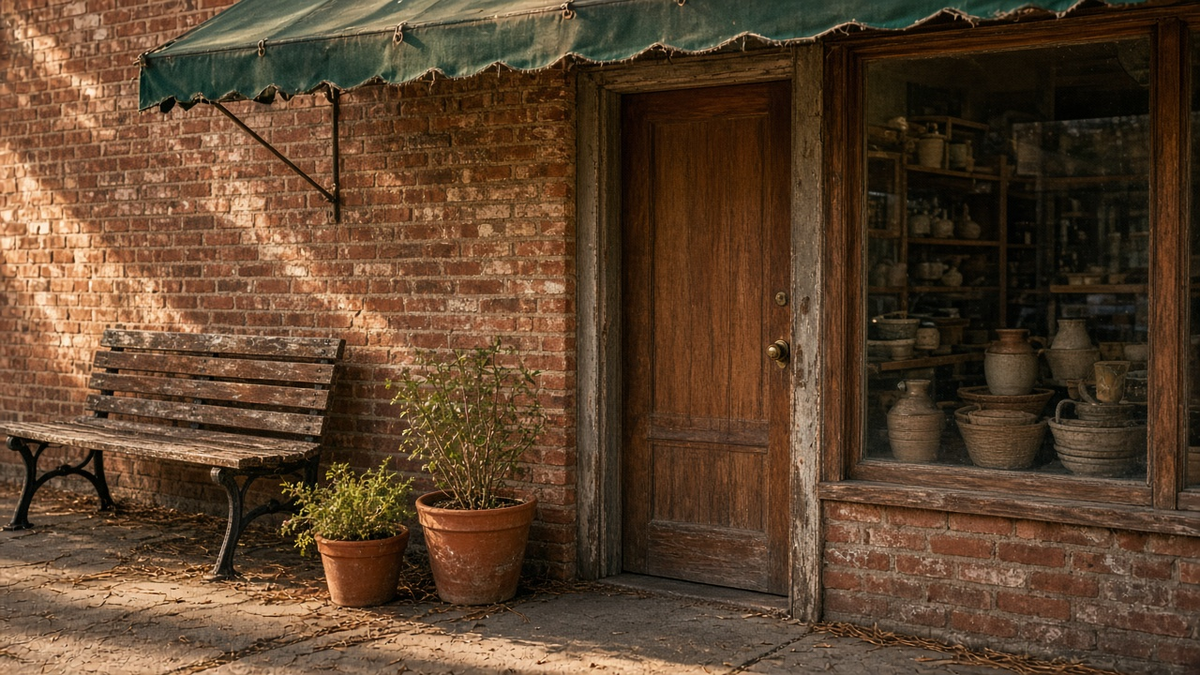
The older buildings carry character that a new strip suite cannot copy. For a boutique, an antique dealer, or a small restaurant with a story, that setting does marketing work you do not have to pay for.
The tradeoffs are just as real:
- Parking and loading. Older blocks were not laid out for today's cars and delivery trucks. Ask where customers park on an event weekend and where vendors unload on a weekday.
- Older building systems. Character can come with aging electrical, plumbing, restrooms, and accessibility features. Have the space inspected before you sign, not after.
- Exterior rules. The city's Planning and Zoning Commission administers a historic preservation district ordinance alongside zoning. Signs, facade work, awnings, and other exterior changes may draw extra review in that district. Confirm with the city what applies to your specific building before you design anything.
- The rhythm of the week. Event days can be packed. Weekday afternoons can be quiet. A business that needs steady daily volume should test that pattern honestly before committing.
What highway frontage gives you
The city's economic development page names the highway through town among the major corridors that connect Montgomery to the wider region. Frontage along that kind of road is about visibility and convenience. A driver sees your sign, turns in, parks close to the door, and is back on the road in minutes.
Highway space also tends to be newer construction with more parking and layouts built around a car. Some sites may allow a drive through or a larger freestanding sign, depending on the property, the lease, and local approvals.
The tradeoffs on this side:
- Competing for a glance. Drivers are moving fast and watching the road. Your sign has seconds to land, next to every other sign on the stretch.
- Getting in and out. Medians, turn lanes, and driveway spacing decide whether a customer can actually reach you. A site that is easy to see but awkward to enter can lose the people it attracts.
- Driveway approvals. If a property fronts a state highway and needs a new or revised driveway, that work in the highway right of way generally goes through a permit with the Texas Department of Transportation. Ask early whether the existing access is permitted and whether your plans change it.
- Less sense of place. Highway customers usually come for one errand and leave. You get the trip, but rarely the afternoon.
- Cost of visibility. Frontage is generally priced for what it delivers. Make sure your sales plan actually depends on that visibility before paying for it.
Who each option tends to fit
In our experience, a downtown storefront usually fits businesses where the visit is the point:
- Boutiques, gifts, antiques, and home goods
- Cafes, dessert shops, tasting rooms, and small restaurants
- Galleries, studios, and makers who sell what they create
- Owners who plan to ride the event calendar and the weekend crowd
Highway frontage usually fits businesses where convenience is the point:
- Quick service food, coffee on the go, and anything built around a drive through
- Everyday services people fit into a commute
- Uses that need generous parking or larger delivery access
- Owners who need steady weekday traffic more than weekend crowds
Some businesses, like a salon or a fitness studio, could make a case for either. Then we look hard at where existing customers come from and how they arrive.
Paperwork both paths share
Whichever way you go, the city's building and permitting pages say a new occupancy in a commercial building calls for a permit, and signage work generally needs one too. The city also notes that commercial projects, including a change of occupant, need a permit and inspection from the Montgomery County Fire Marshal, and that commercial food businesses need a county environmental health permit. The city says work should not begin until permits are issued and that review times vary with the project, so build that into your opening date.
The Montgomery Economic Development Corporation also runs a business improvement grant program that has offered matching grants for things like facade, sign, and property improvements for eligible businesses inside city limits. Terms and eligibility can change, so check the current guidelines before you count on it.
Questions we would answer before choosing
- Where do your best customers come from today, and how do they get to you?
- Do you need steady weekday sales, or can strong weekends carry the month?
- How much parking and loading does your business really need?
- Will your sign and exterior plans need extra review, and have you confirmed that with the city?
- Is the property inside city limits, and which rules and programs apply to it?
- Does the lease spell out who pays for building system upgrades or driveway work if they come up?
We walked through a similar decision in our Jersey Village look at inline suites versus pad sites, and the same logic about visibility and access carries over. Once you have narrowed it down, our pre-lease site visit checklist is a good companion for touring either kind of space.
Our honest take
Neither option is better on paper. Downtown rewards businesses that turn a visit into an experience and can live with older buildings and extra exterior review. The highway rewards businesses that win on convenience and can afford to pay for visibility. The mistake we see most is picking the location before the business model. Start with how your customers buy, and the right choice usually gets clear.
This article is general information, not legal advice. Zoning, historic district, sign, permit, and driveway requirements vary by property and change over time, so confirm them with the City of Montgomery, Montgomery County, the Texas Department of Transportation, and a qualified Texas real estate attorney.
If you are weighing a downtown storefront against highway frontage in Montgomery, talk with our team and we will help you compare the real options side by side.