Bridgeland's neighborhood retail grows with its rooftops. Here is what we notice on the ground: daily needs tenants, pad sites, access, parking, and phasing.
Drive through Bridgeland on a Saturday morning and the retail story is not hard to read. New sections of the community keep filling in and the shopping centers that serve all of those rooftops tend to sit right where people already drive: near the main entries and along the larger roads that tie the community to the rest of the Cypress area. It is retail that follows the neighborhood, not the other way around.
This spotlight is about commercial retail property only. It is an observer's notes on a part of northwest Houston we spend a lot of time in, not advice on any particular center, suite, or lease.
Retail that follows the rooftops
Bridgeland is a master-planned community in the Cypress area of northwest Houston, and like most communities of its kind, it grows in phases. That shapes the retail more than anything else. Shopping centers usually show up after enough households are in place to support them, and the first wave tends to be daily needs retail.
When we walk the neighborhood centers that serve communities like this one, the tenant mix tends to read like a weekday errand list. Coffee and quick service food. A dry cleaner and a nail salon. Medical, dental, and urgent care users. A fitness studio, a tutoring center, a pet groomer. Those are categories, not names, and the exact lineup varies from center to center and changes over time. The common thread is convenience.
What the ground tells us
The first thing we notice is how new much of it looks. Fresh paving, crisp striping, young trees that have not filled in yet, and monument signs at the driveways. For a tenant, that can mean modern storefronts and fewer surprises behind the walls.
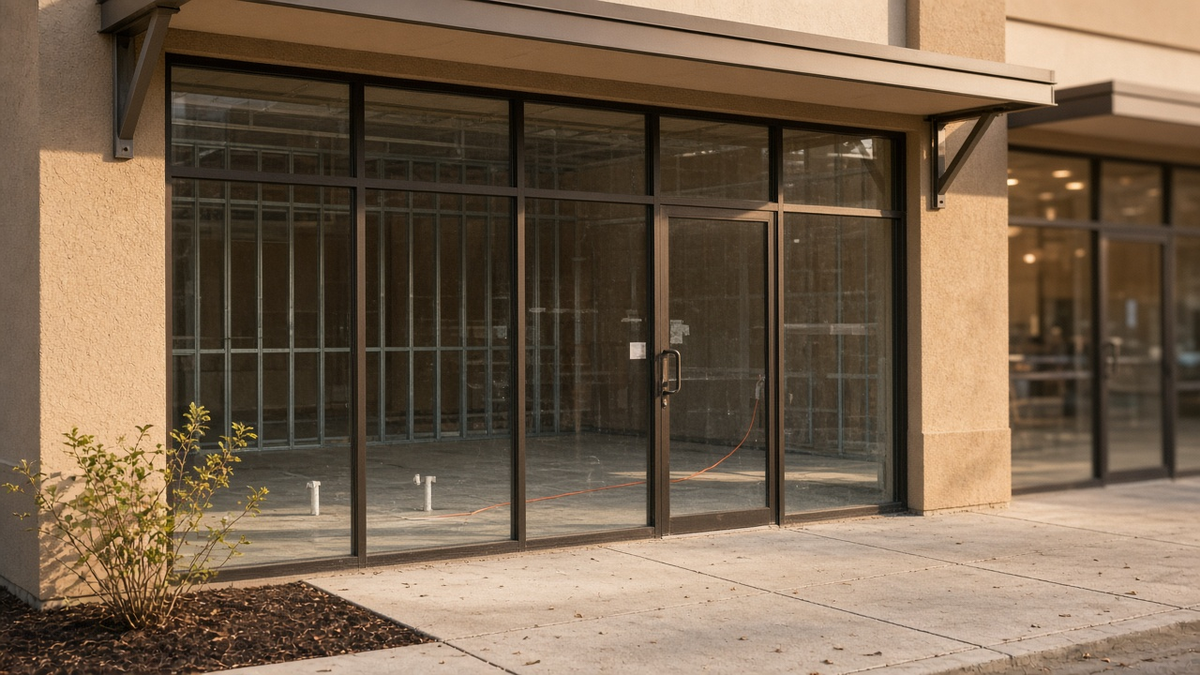
The second thing is that new does not always mean finished. In a community that is still building out, it is common to see a center where some suites are open and trading while others are still in shell condition, waiting on the right user. It is also common to see graded pads at the edge of a parking field, ready for a building that has not been announced yet. Neither is a red flag on its own.
The third thing is the rhythm. Neighborhood retail here often has a weekday pattern you can feel: a morning coffee and drop off rush, a quieter midday, then a busy stretch from school pickup through dinner. Weekends can look completely different, so one midweek tour may give the wrong picture.
Pad sites and inline space
Most of the centers we walk mix freestanding pad buildings out near the road with a line of inline suites set farther back. The pads tend to draw drive thru users, banks, and restaurants that want their own building and the strongest view from traffic. Inline suites suit service tenants who care more about rent and an easy storefront than a drive thru.
The tradeoffs are real, and we laid them out in our comparison of an inline strip suite versus a freestanding pad site. The same questions apply here: visibility, drive thru stacking, and who maintains what.
Access and parking
We pay close attention to how a shopper actually gets in and out. Is there a signal or a median break at the main driveway, or does a driver coming from the other direction have to make a U turn?
Parking matters just as much. A center that feels roomy at midday can feel tight when a fitness class lets out at the same time a restaurant fills up. We look at where employees park and whether the lot is shared with neighbors under a recorded agreement.
What tenants and owners tend to weigh
For tenants, the big question in a growing community is timing. Opening early can mean less competition, or a slower start while the surrounding sections fill in. Ask a landlord what is planned nearby, and treat the answer as a plan, not a promise.
A few other items tend to come up:
- Exclusives and use limits. In a center built around daily needs, a lease may protect one tenant's core use or limit another's. Ask what is already promised.
- Co tenancy. If a suite depends on a strong neighbor, ask what happens if that neighbor never opens or goes dark.
- Build out. With shell space, the timeline and the landlord allowance matter as much as the rent.
- Signs. Ask early what the center rules and the community design guidelines allow on the storefront and the monument sign.
For owners, the view is a little different. Owners often think about which uses feed each other, how parking holds up at peak hours, and how to stay competitive as newer centers open nearby.
Who is in charge of the ground
Houston has no conventional zoning, so a retail tract here is usually shaped by recorded deed restrictions and development rules rather than a zoning map. Master-planned communities often add their own design guidelines, and changes to signs, colors, landscaping, or building exteriors may need a review before work starts. Whether a given tract sits in the city's extraterritorial jurisdiction or in unincorporated Harris County can vary, and that can change which office reviews plats, permits, and driveways. Ask early, in writing.
Utility districts are part of the picture too. Many tracts in this part of the county are served by municipal utility districts, and as we covered in our look at retail water and sewer capacity in Cypress, district approvals and capacity can affect what a retail user can open. Flood status is another item to check parcel by parcel with the FEMA flood maps and the Harris County Flood Control District resources.
What we would do next
If we were a tenant eyeing a Bridgeland area suite, we would visit at least three times: a weekday morning, a weekday evening, and a Saturday. We would drive in from each direction and watch where people actually park. Then we would compare a few centers side by side, using the questions in our Cypress retail space guide as a starting checklist.
If we were an owner, we would walk our own center the way a shopper would, from the main road in, and write down anything that would make us drive past.
This article is general information, not legal advice. Deed restrictions, design guidelines, district rules, and permit requirements vary by property and change over time, so confirm them with the reviewing agencies and a qualified Texas real estate attorney.
If you are weighing a retail lease, purchase, or sale around Bridgeland and want a local set of eyes on it, reach out to our team. We will tell you what we see.