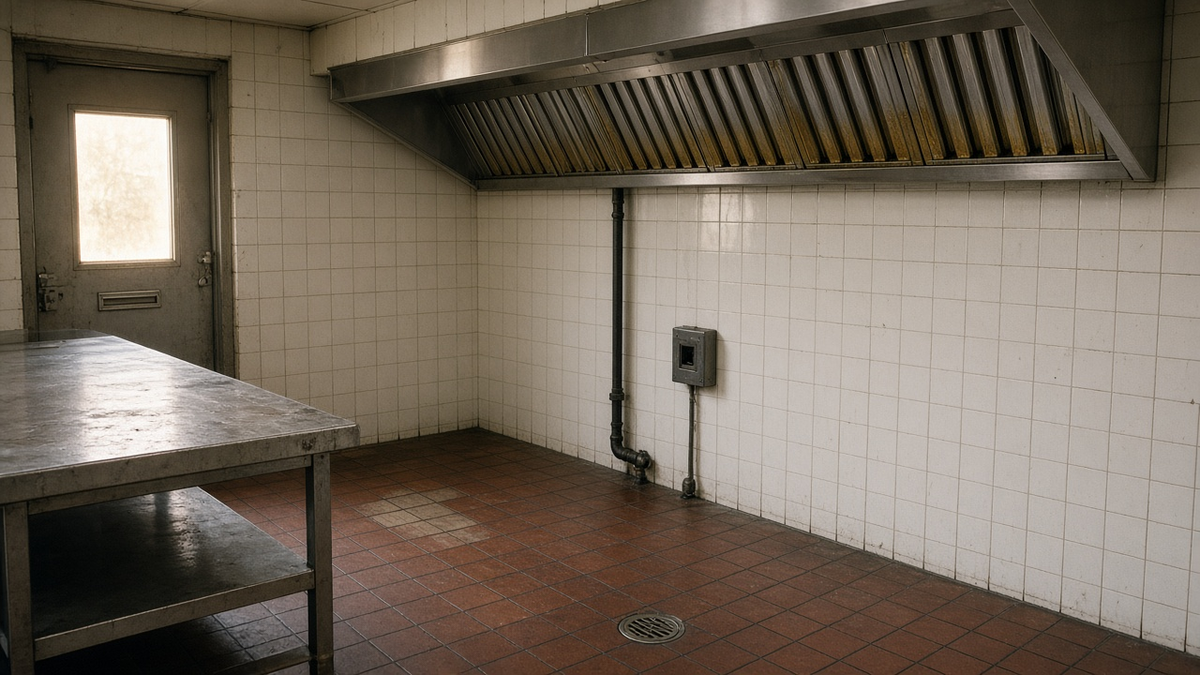
Taking over a built-out restaurant space near Towne Lake? Here is how we check the equipment, the lease path, permits, maintenance duties, and the money terms.
Walk into a restaurant space that is already built out and it is easy to get excited. The hood is hanging, the walk-in cooler hums, and the floor drains are in. Taking over a space like this can save a new operator real time. It can also hand you problems along with the equipment. Here is how we walk clients through leasing a second-generation restaurant space in the retail centers around Towne Lake.
A quick note on where you are. Towne Lake sits in the Cypress area, and much of it lies in unincorporated Harris County, outside city limits. That usually means county offices handle permits and inspections, a municipal utility district provides water and sewer, and recorded deed restrictions can shape what is allowed. Confirm it for your exact suite. This guide covers commercial restaurant space only.
Step one: Know what "second-generation" actually means
A second-generation restaurant space is one where a prior food tenant already built a working kitchen. Depending on what they left, that may include:
- A kitchen exhaust hood with ductwork running up through the roof, often with a fire suppression system attached
- A grease trap or grease interceptor tied into the sewer line
- Walk-in coolers or freezers
- Floor sinks, floor drains, and plumbing sized for a commercial kitchen
- A gas line and meter sized for cooking equipment
- Electrical service and panels built for kitchen loads
"Second-generation" on a flyer can mean anything from a turnkey kitchen to a room with a capped gas line. Ask for a written list of what stays.
Step two: Make sure your use fits the center
Before you fall for the kitchen, read the rules for the center. Ask the landlord for the use clause they would put in your lease and for any exclusives held by other tenants. If another restaurant already has the exclusive right to sell your main menu item, you may be blocked no matter how good the space is. Also ask about recorded deed restrictions, sign criteria, and rules on outdoor seating, deliveries, and trash. Parking matters too, since a dinner rush can strain a shared lot and some centers limit pickup parking.
Step three: Find out who owns the equipment
This is where people get surprised. The hood, walk-ins, and fryers may belong to the landlord, to the prior tenant, or to a lender the prior tenant borrowed from. Equipment bought on credit may carry a lien, and an equipment lessor may have the right to come take it back. Ask for:
- A written inventory of every piece of equipment that conveys with the space
- A statement from the landlord on who owns each item
- A search for recorded liens or financing filings against the prior tenant, which your attorney can run
- Language in your lease or purchase papers that says the equipment comes to you free and clear, or that spells out exactly what you are renting
Step four: Inspect everything before you commit
Bring a licensed plumber, a kitchen equipment technician, and a mechanical contractor before you sign. Have them check the hood and ductwork, fire suppression, walk-ins, water heater, gas line, and rooftop units. Ask for service records. Have the grease trap or interceptor pumped and checked, and camera the sewer line if you can. Seals, compressors, and drains do not like sitting idle in a dark space. If you are still comparing sites, our pre-lease site visit checklist covers the parking lot and building questions to ask on the same trip.
Step five: Choose between an assignment and a new lease
Sometimes the prior operator still holds a lease and offers to assign it to you, often with the equipment. Other times the landlord takes the space back and signs you to a fresh lease.
- With an assignment, you usually step into the existing terms, including the rent, the remaining term, and any obligations the prior tenant fell behind on. Ask for an estoppel letter from the landlord confirming the lease is in good standing.
- With a new lease, you can negotiate your own terms, but the landlord may price the space knowing the kitchen is already there.
Either way, get the landlord's written consent, and be clear about whether the prior tenant stays on the hook.
Step six: Map out permits and inspections
A new operator usually needs its own approvals, even if the last restaurant just closed. For a site in unincorporated Harris County, that often means a food establishment permit from Harris County Public Health, which typically starts with a plan review and ends with a pre-opening inspection. Along the way you may need a fire code review from the Harris County Fire Marshal, a building permit if you change the layout, an approval letter from the utility district that serves the site, a state sales tax permit, and a certified food manager on staff. If you plan to serve alcohol, the Texas Alcoholic Beverage Commission handles that license. Confirm the exact list early. Our piece on confirming MUD water and sewer capacity explains why the district conversation matters for a restaurant.
Step seven: Pin down who maintains what
Read who handles grease trap pumping and how often, who pays for hood and duct cleaning, who services the fire suppression system, and who replaces the rooftop units when they fail. Ask what happens if grease backs up into a neighbor's suite.
Step eight: Negotiate the money terms
Because the kitchen exists, landlords may offer less in tenant improvement dollars than for an empty shell. You can still ask for an allowance to repair or replace tired equipment, a period of free rent while you work through permits, and a rent start date tied to receiving your health permit. Expect the landlord to ask for a personal guaranty, especially from a first-time operator. Ask whether it can be capped or burn off after a run of on-time payments.
Your quick checklist
- Get a written equipment list showing who owns each item
- Read the use clause, exclusives, and deed restrictions
- Bring a plumber, equipment tech, and mechanical contractor to inspect
- Pump and check the grease trap or interceptor
- Decide between assignment and a new lease, and get landlord consent
- Confirm which offices issue your health, fire, and building approvals
- Spell out maintenance duties for the hood, trap, and rooftop units
- Negotiate free rent, a repair allowance, and the scope of any guaranty
A good second-generation space can get you open sooner. Just make sure what you inherit is something you want.
This article is general information, not legal advice. Permit requirements, district rules, deed restrictions, and lease terms vary by property and change over time, so confirm current requirements with Harris County, the utility district that serves the site, your contractors, and a qualified Texas real estate attorney.
If you are looking at restaurant space around Towne Lake and want help sorting through the lease and the kitchen, reach out to our team. We are glad to walk the space with you.