Champions offices sit just off FM 1960, Beltway 8, and Hwy 249. Here is what we see on the ground, and what occupiers and owners tend to weigh before they commit.
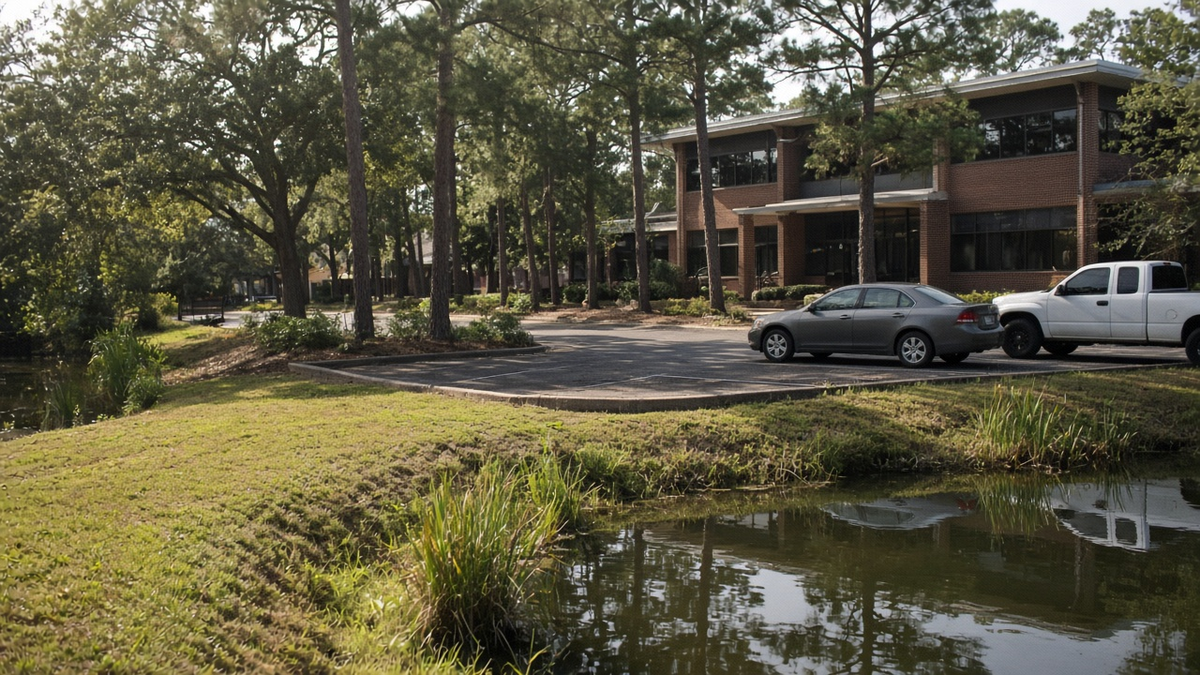
Drive Champion Forest Drive just south of FM 1960 on a weekday morning and the Champions office market shows itself without much help. Low-rise and mid-rise buildings sit back from the road behind surface parking. Mature trees and a pond or two soften the edges. The lots fill with sedans, work trucks, and the occasional delivery van. It is not downtown, and it does not try to be.
This spotlight is about commercial office property only. It is an observer's notes on a northwest Houston pocket we know well, not advice on any particular building.
What the street tells you
The first thing we notice is scale. Many Champions buildings hold a lot of small and midsize suites rather than a few giant floors. The directories tend to read like a small business roll call: attorneys, accountants, insurance agents, engineers, consultants, medical and dental practices, and contractors who need an address and a meeting room more than a skyline view.
The second thing is age. A good number of the buildings look established, with finished landscaping, covered parking in places, and the settled feel of a place that has been doing business for a long time. Established can mean convenient and familiar. It can also mean a roof, a parking lot, or an air conditioning system that is due for attention, and that is worth knowing before anyone signs.
Why people pick this pocket
It comes down to access. FM 1960 runs through the middle of it, Beltway 8 and Hwy 249 are close, and I-45 North and the Grand Parkway are within reach for clients coming from Spring, Cypress, Tomball, and The Woodlands. Cypress Creek Parkway adds another way in. A small firm with clients scattered across the northwest suburbs is not far from anyone here.
The other draw is the day to day. Lunch spots, banks, and shops are minutes away, which suits a business that wants a professional address without a big corporate campus.
What occupiers tend to weigh
When tenants walk these buildings with us, the same questions come up again and again:
- Parking. How close is it to the door, is any of it covered, and will clients and staff both find a space at the busiest hour?
- Suite condition. Is the space already built out with offices and a conference room, or is it a shell that needs work? Second generation space can save time if the layout fits.
- Getting in and out. A left turn onto FM 1960 at rush hour feels different from a quiet side street. Drive the approach at the times the business will actually use it.
- Building services. Who handles after hours air conditioning, janitorial, security, and elevators in the taller buildings?
- Visibility. Is there a spot on the monument sign, and what do the building rules allow on the suite door and in the lobby?
- Special users. A medical or dental user may need plumbing, power, and layout that a plain office suite does not have, so confirm what the building can support.
Older buildings also raise accessibility questions. Tenants and owners should ask how the common areas, restrooms, and entrances line up with the Americans with Disabilities Act, and talk to a qualified professional if the answer is unclear.
What owners tend to weigh
For owners, the view is a little different. A mature building has to keep earning its place against newer product in other northwest corridors, so the conversation is usually about upkeep and positioning. Do the common areas feel current? Are the suites sized the way local tenants actually shop? Some owners find that splitting a large space into smaller suites matches demand better than waiting for a single big user.
The ownership question looks a lot like the choices we outlined in our look at leasing versus buying office space in Cypress. Occupancy, flexibility, and what a building needs over time drive the answer, whatever the corridor.
Who is in charge of the ground
Here is the part that surprises people. Houston has no conventional zoning, so a Champions property is usually shaped by recorded deed restrictions, development rules, and the details of its own tract. Whether a given property sits inside the City of Houston, inside the city's extraterritorial jurisdiction, or in unincorporated Harris County can vary, and the answer affects which office reviews plats, permits, and certain site changes. Ask early, in writing.
Some of what we described in our Klein retail spotlight carries over when a tract sits outside city limits: county permits, covenants, and special districts all play a part, and the same habit of checking each one before you commit applies to an office deal.
A few other items we like to pull up for any Champions office property:
- The recorded plat and any restrictions filed in the Harris County real property records, including limits on use, signs, and building changes.
- Utility district information. Many properties in the area are served by municipal utility districts, and district taxes can show up in the operating costs a tenant pays through pass throughs.
- Flood status. Cypress Creek and its tributaries shape the drainage in this part of the county, so check the FEMA flood maps and the Harris County Flood Control District resources for the specific parcel.
- Road ownership out front. FM 1960 and Hwy 249 are state highways, and driveway changes on them generally involve TxDOT. Other streets may be county or city roads with their own rules.
What we would do next
If we were an occupier looking at a Champions suite, we would visit twice: once during the morning rush, and once at midday. We would walk the parking lot, look up at the roof line, ask the property manager what has been repaired recently, and compare a few buildings before leaning toward one.
If we were an owner, we would walk our own building the way a visitor would, from the road in, and write down what we would want fixed if we were paying the rent.
This article is general information, not legal advice. Rules, maps, and district boundaries change, so confirm requirements with the reviewing agencies and a qualified Texas real estate attorney.
If you are weighing an office lease, purchase, or sale in the Champions area and want a local set of eyes on it, reach out to our team. We will tell you what we see.